
What a Nuclear War Could Mean
A nuclear war could cause immediate blast injuries, fires, infrastructure damage, and widespread disruption to electricity, transport, communications, and medical services. Radioactive fallout may also expose people downwind of detonations to dangerous radiation. The scale and effects would depend on where weapons were used, weather conditions, and how many detonations occurred. No single account can predict every situation, so preparation should focus on practical steps that help in many emergencies.
Protecting Yourself and Your Family
If a detonation occurs nearby, get inside a sturdy building as quickly as possible. A basement or the center of a large building, away from windows and exterior walls, offers better protection. Stay inside and follow instructions from local emergency authorities; fallout can be most hazardous soon after it arrives. Keep a battery-powered or hand-crank radio available, since phone networks and internet service may fail.
If you were outdoors when fallout may have arrived, remove your outer clothing without shaking it, place it in a sealed bag away from people, and wash exposed skin and hair gently with soap and water. Do not use conditioner, which can make radioactive material cling to hair. Use bottled or protected water and sealed food until authorities say other supplies are safe. Prepare family contacts, essential medicines, basic first aid supplies, and a plan for reuniting if separated.
Considerations for Medical Laboratory Personnel
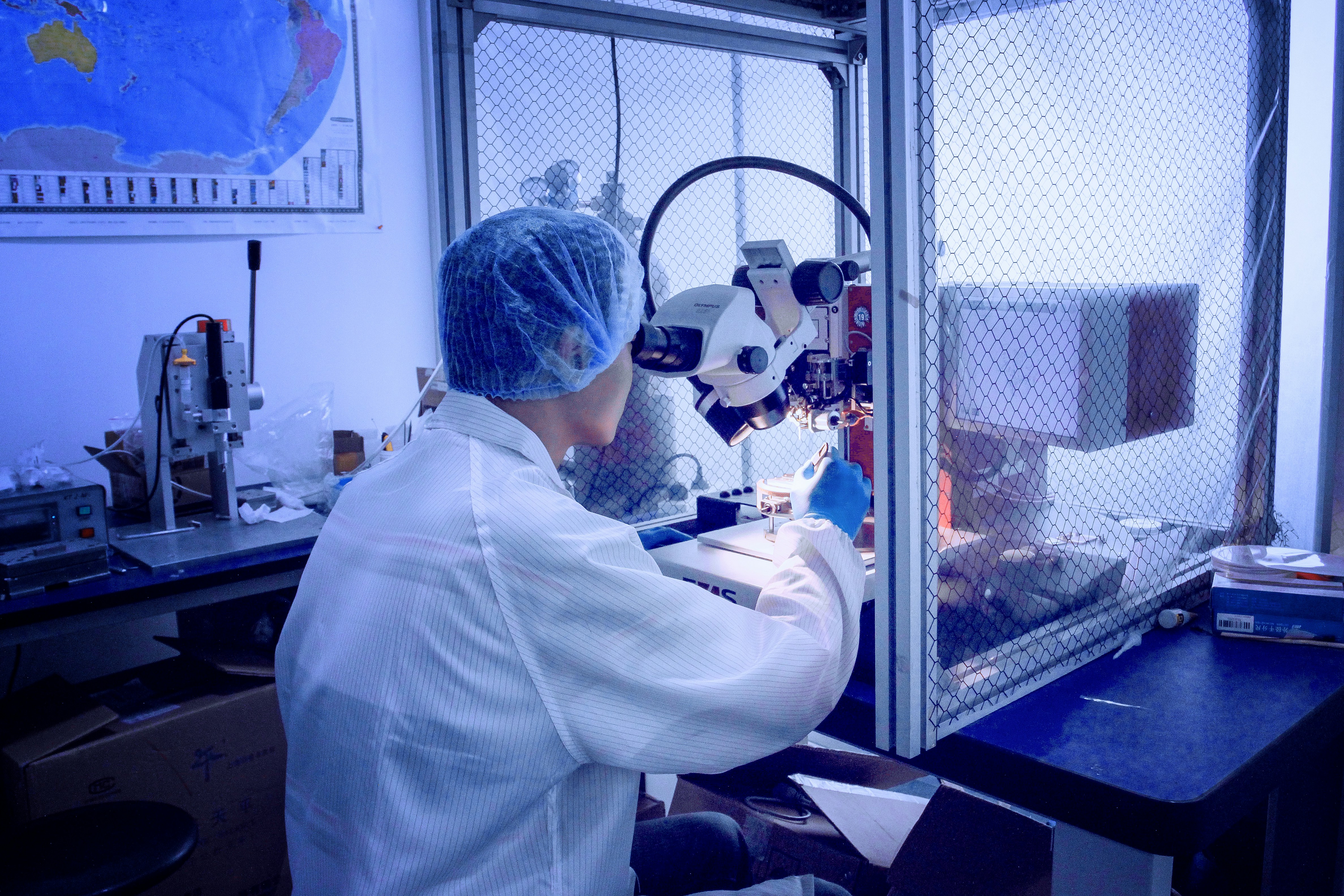
Laboratory staff may be asked to support emergency testing, maintain essential services, or work under staffing and supply shortages. Follow your facility’s emergency procedures and occupational safety guidance; do not enter contaminated areas or handle suspected radioactive materials without appropriate training, equipment, and authorization. Keep personal protective equipment, dosimetry, and radiation-safety decisions under qualified institutional oversight.
Before an emergency, learn your workplace’s shelter, evacuation, communication, and staffing plans. Discuss family arrangements with colleagues and supervisors so you know how to check on dependents and whether reporting to work is safe. In a crisis, prioritize official public-health and emergency-management instructions over rumors, and remember that protecting yourself and your household helps preserve the ability to care for others.
