
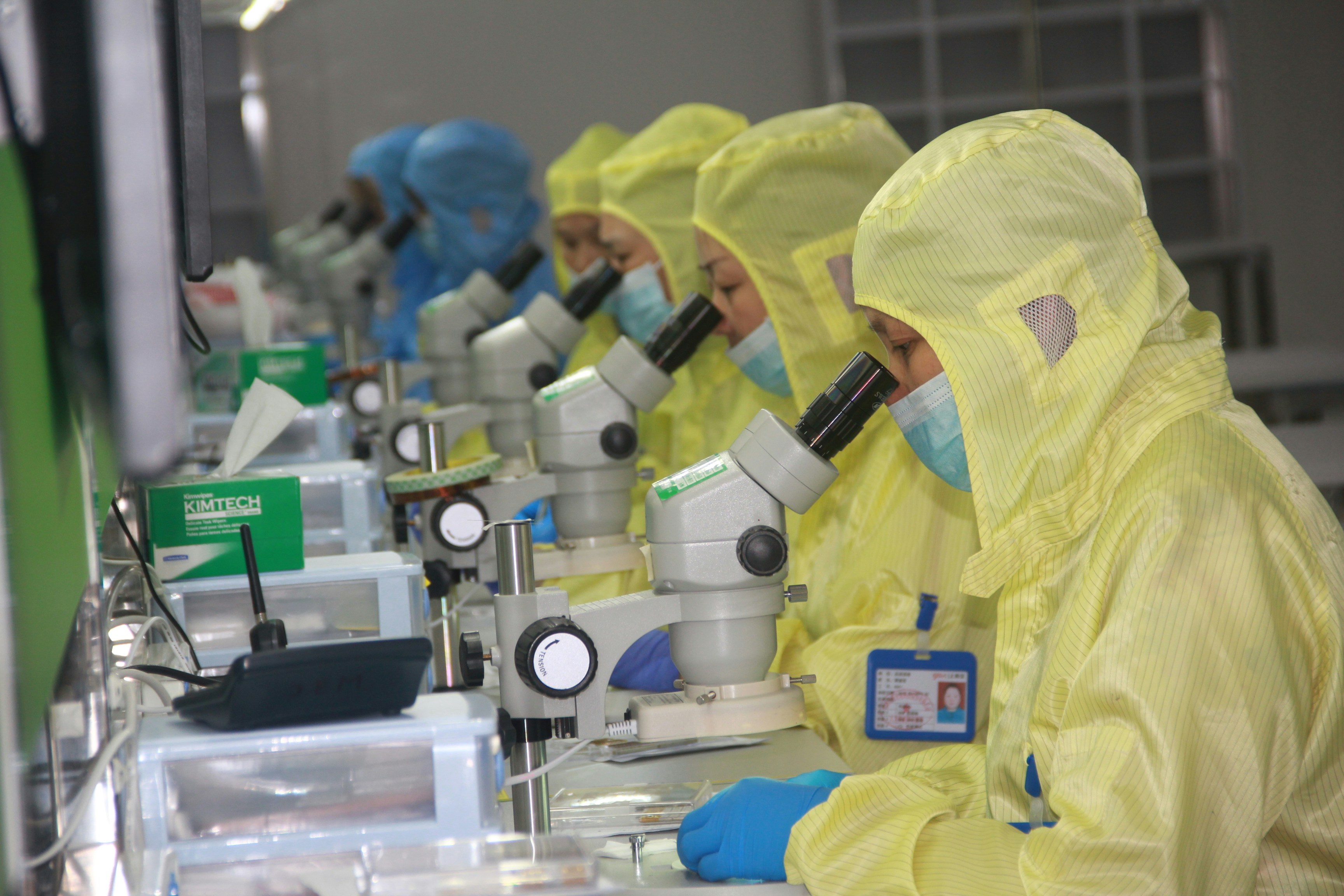
During an Ebola outbreak, medical laboratory professionals play a vital role in helping health teams identify infections, guide care, and monitor the spread of disease. Their work often happens away from public view, but reliable laboratory results can shape decisions made for individual patients and entire communities.
Supporting Timely Diagnosis
Ebola symptoms can resemble those of other illnesses, so clinical signs alone may not confirm infection. Trained laboratory staff test appropriate patient samples using validated methods and established safety procedures. Accurate, timely results help clinicians determine whether Ebola response measures are needed, while also reducing uncertainty for patients and families.
Specimen collection and transport are important parts of this process. Laboratory professionals coordinate with clinical and public health teams to ensure samples are correctly identified, securely packaged, and delivered to designated facilities. Clear communication helps prevent delays and supports the safe handling of potentially infectious material.
Protecting Staff and Communities
Testing for Ebola requires careful attention to biosafety. Professionals follow protocols for personal protective equipment, sample processing, decontamination, and waste disposal. Facilities may use specialized containment practices, and staff receive training so that procedures are followed consistently. These safeguards protect laboratory workers and help prevent accidental exposure.
Preparedness also matters. Outbreaks can place sudden demands on testing services, making adequate supplies, trained personnel, functioning equipment, and clear reporting channels essential. Quality checks help ensure that results are dependable, especially when laboratories are operating under pressure.
Turning Results into Public Health Action
Laboratory findings contribute to patient management, contact tracing, surveillance, and decisions about where response resources are most needed. Professionals report results through secure, established channels and work with public health authorities to resolve unclear or unexpected findings. Protecting patient confidentiality remains important throughout.
Laboratory teams do not work alone. Their collaboration with clinicians, epidemiologists, infection-prevention staff, and community responders makes testing more effective. By combining technical expertise with disciplined safety practices, medical laboratory professionals provide evidence that supports a coordinated response and helps limit further transmission.
